Your Guide to Rocky Mountain National Park’s West Entrance
When most people think about visiting Rocky Mountain National Park, they immediately picture Estes Park. But on the quieter western side of the park, visitors discover something completely different — slower mornings, fewer crowds, peaceful mountain lakes, and a more relaxed connection to the outdoors.
Located near Grand Lake and Lake Granby, the west entrance to Rocky Mountain National Park offers incredible hiking, wildlife viewing, scenic drives, and alpine landscapes without the overwhelming pace often found elsewhere in Colorado during peak travel seasons.
If you’re staying near Lake Granby or Grand Lake, here’s everything you need to know about exploring Rocky Mountain National Park from the west side.
Why Visit the West Entrance of Rocky Mountain National Park?
The west entrance offers a calmer, quieter experience that feels deeply connected to the surrounding mountain landscape.
Instead of packed downtown areas and heavy traffic, visitors are welcomed by peaceful forests, scenic lakes, winding mountain roads, and small mountain towns that encourage you to slow down and enjoy the experience.
Many travelers staying in Grand County prefer the west entrance because it feels more relaxed while still offering access to the park’s iconic beauty.
How Close Is Rocky Mountain National Park to Lake Granby?
The west entrance of Rocky Mountain National Park is located near Grand Lake, roughly:
- 18 miles from The Shoreline Cabin
- 20–30 minutes depending on traffic and weather
- Easily accessible for day trips, sunrise hikes, or scenic drives
Its close proximity makes it easy to spend the day exploring the park while still returning to a peaceful lakefront cabin in the evening.
Best Things to Do in Rocky Mountain National Park
Drive Trail Ridge Road
Trail Ridge Road is one of the most scenic drives in the country and connects the west and east sides of Rocky Mountain National Park.
The road climbs above the tree line and offers incredible views of alpine tundra, mountain peaks, valleys, and wildlife along the way.
Popular stops include:
- Forest Canyon Overlook
- Alpine Visitor Center
- Milner Pass
- Many Parks Curve
Because weather conditions change quickly at high elevations, visitors should always check seasonal road openings before visiting.
Best Hikes Near the West Entrance
The west side of Rocky Mountain National Park is filled with beautiful trails ranging from easy lakeside walks to challenging alpine hikes.
Adams Falls Trail
One of the most popular easy hikes near Grand Lake, Adams Falls is a short scenic trail leading to a beautiful waterfall surrounded by forest and rushing river views.
Great for:
- Families
- Quick morning hikes
- Photography
- Wildlife spotting
East Inlet Trail
This scenic trail near Grand Lake follows rivers, meadows, and mountain landscapes deeper into the park.
The farther you hike, the quieter and more peaceful the surroundings become.
Tonahutu Creek Trail
For guests wanting a more immersive hiking experience, this trail offers incredible mountain scenery with fewer crowds compared to some of the park’s more famous hikes.
Wildlife You May See
One of the most memorable parts of visiting Rocky Mountain National Park is seeing wildlife in its natural environment.
Depending on the season, visitors may spot:
- Elk
- Moose
- Mule deer
- Marmots
- Foxes
- Eagles
- Bighorn sheep
Early mornings and evenings are usually the best times for wildlife viewing.
Always remember to keep a safe distance and never approach or feed wildlife.
Best Time to Visit Rocky Mountain National Park
Every season offers something different inside the park.
Summer
Summer brings warmer temperatures, alpine hiking, wildflowers, and access to high-elevation roads and trails.
Perfect for:
- Hiking
- Scenic drives
- Photography
- Paddle boarding nearby lakes
- Wildlife viewing
Fall
Fall transforms the mountains into a mix of gold and orange as the aspens change color.
September is especially popular for:
- Elk rut season
- Fall colors
- Crisp mountain air
- Scenic drives
Winter
Winter offers a completely different experience with snow-covered forests, frozen lakes, and peaceful trails.
Winter activities include:
- Snowshoeing
- Cross-country skiing
- Winter photography
- Quiet scenic drives
Spring
Spring is quieter and slower, with melting snow, rushing rivers, and fewer visitors throughout the park.
Tips for Visiting Rocky Mountain National Park
Before heading into the park, here are a few helpful things to know:
- Arrive early during busy summer weekends
- Dress in layers because mountain weather changes quickly
- Bring water and snacks for longer hikes
- Check weather and road conditions before entering
- Respect wildlife and stay on marked trails
- Download maps ahead of time since service can be limited
Stay Near Rocky Mountain National Park
One of the best ways to experience Rocky Mountain National Park is by staying nearby instead of rushing through it in a single day.
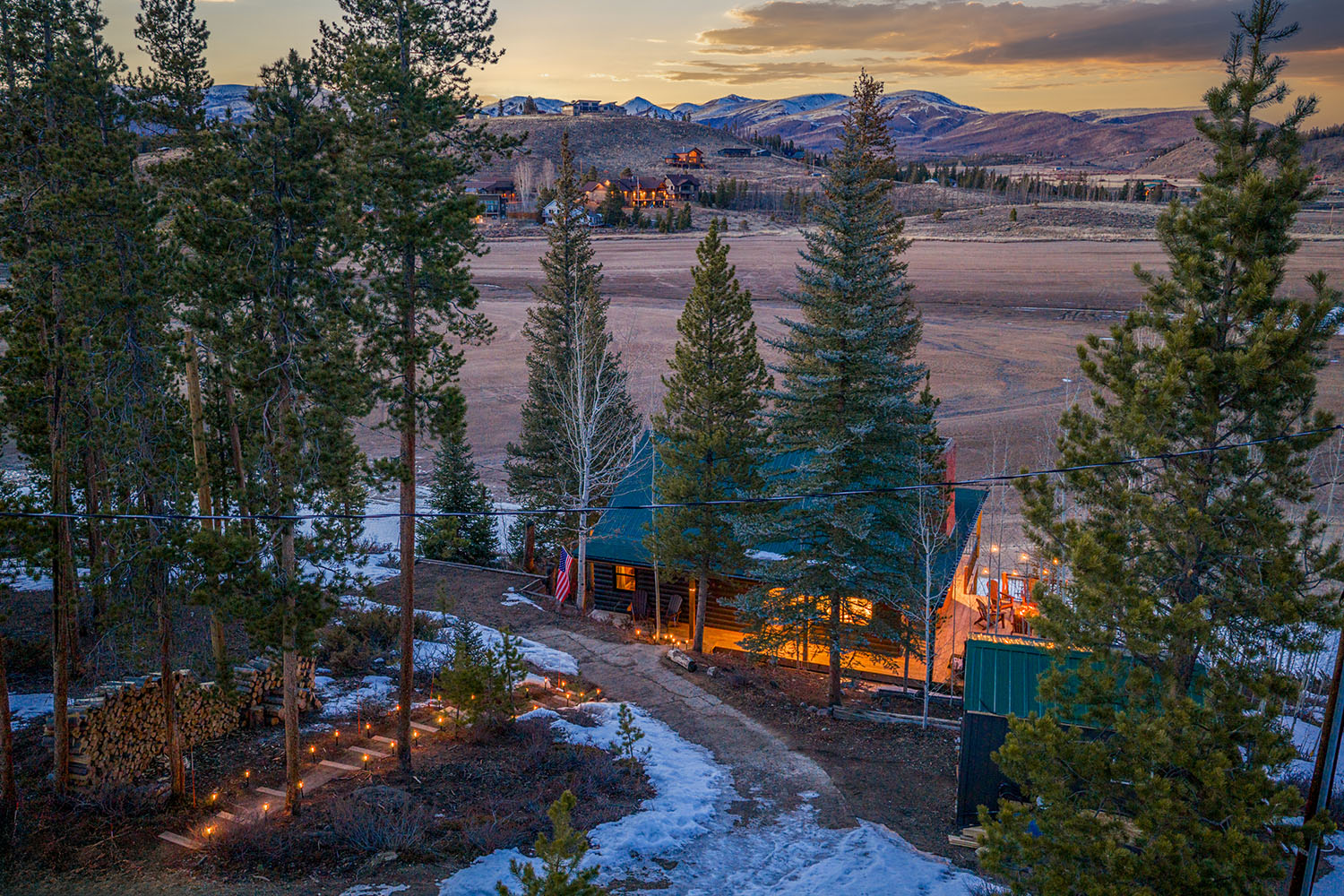
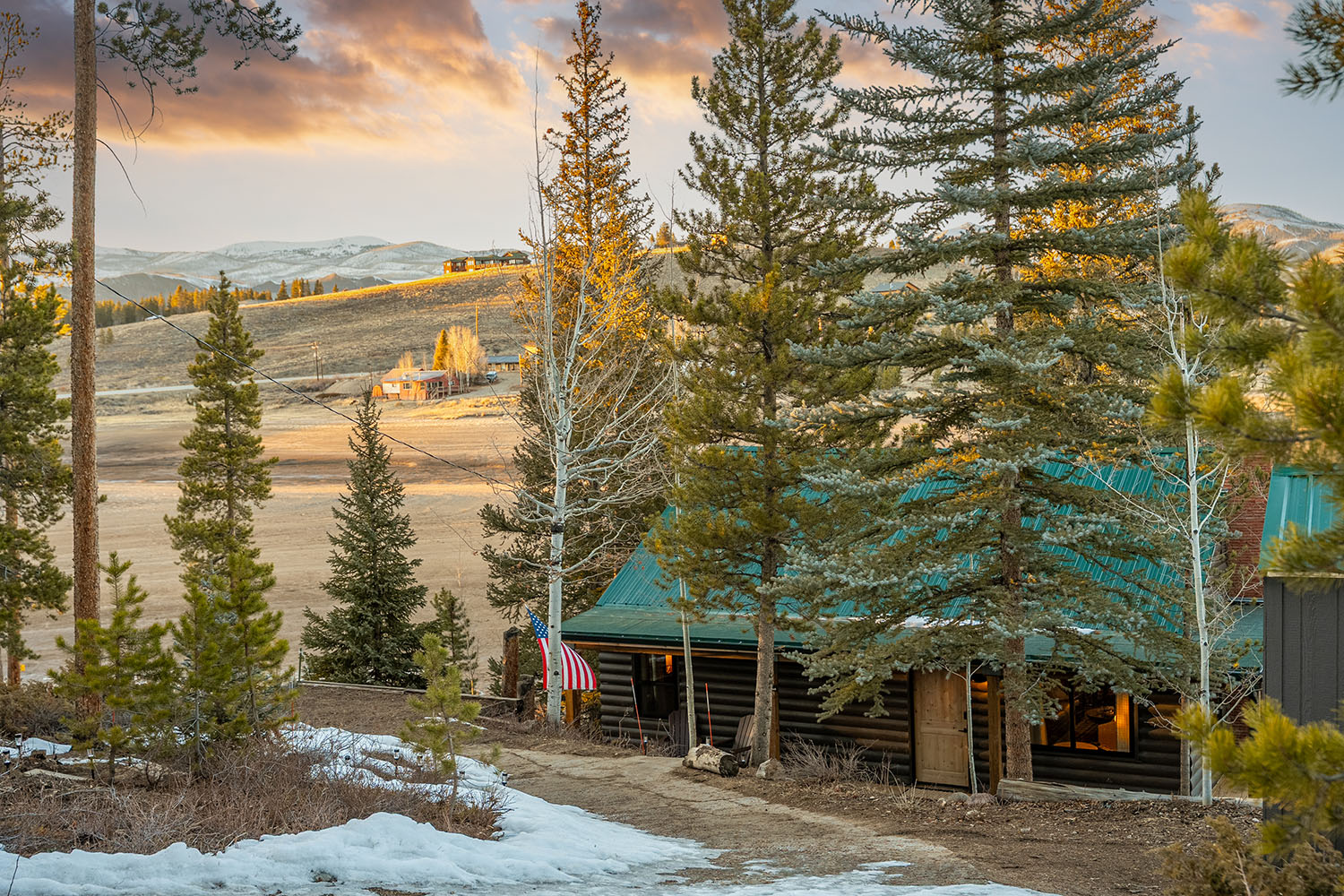
The Shoreline Cabin at Ridgewell Stays offers a peaceful lakefront home base near the park’s west entrance, allowing guests to enjoy adventure-filled days while returning to quiet evenings along Lake Granby.
After exploring the mountains, guests can relax in the private hot tub, gather around the fire pit, or enjoy sunset views across the lake.
It’s the perfect balance between outdoor adventure and restful mountain living.
Plan Your Colorado Mountain Escape
Whether you’re visiting for hiking, wildlife viewing, scenic drives, or simply time outdoors with family and friends, Rocky Mountain National Park offers unforgettable experiences in every season.
And from the quieter west side of the park, you’ll experience Colorado in a way that feels slower, calmer, and more connected to nature.
Win A Free Stay
Get 10% off your next stay plus exclusive access to future giveaways, including a chance to win a free stay at The Shoreline Cabin.